Average Reviews:

(More customer reviews)Are you looking to buy Right Here on Our Stage Tonight: Ed Sullivan's America (Ahmanson Foundation Book in the Humanities)? Here is the right place to find the great deals. we can offer discounts of up to 90% on Right Here on Our Stage Tonight: Ed Sullivan's America (Ahmanson Foundation Book in the Humanities). Check out the link below:
>> Click Here to See Compare Prices and Get the Best Offers
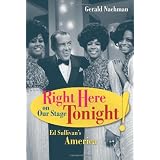
Right Here on Our Stage Tonight: Ed Sullivan's America (Ahmanson Foundation Book in the Humanities) ReviewArts commentator Gerald Nachman has found the ideal framework for telling the colorful story of popular culture in America - through the backstage judgments, decisions and integrity if that old television classic, "The Ed Sullivan Show"."Right Here on Our Stage Tonight: Ed Sullivan's America" describes how it all happened there.
Nachman has the scope and experience as a writer to leap from the narrow realities of a weekly variety show to the implications of what this gathering of talent meant to America over the long term. Sullivan's vision was pivotal, Nachman notes, in bringing millions of viewers their first taste of ballet, opera and theater, interspersed with crooners, dog acts, gymnasts, comedians and a singing nun. It was vaudeville's last gasp. "Ed was a weekly Santa Claus bringing a bag of marvelous things into American homes," Nachman writes.
Old Sullivan shows, now available on DVDs packaged in various themes, provide a history of entertainment and popular music from the dreamy 1940s and 1950s to the rock revolution that Sullivan helped deliver to the heartland. Oddly, as Nachman points out, Sullivan never quite grasped what rock was all about - but he knew his young viewers wanted it. "Cozy hours hosted by Perry Como or Dean Martin were passé," Nachman writes of the era after Elvis Presley appeared on the show.
"The Ed Sullivan Show" - originally called "Toast of the Town" - gave Nachman a convenient focus for what otherwise might have been a sprawling collection of show business anecdotes. His assiduous research and breezy story-telling make for a riveting cultural history. His background as a newspaperman ensures that he never lets himself get bogged down into pop sociology. The story tells itself and Nachman puts it in context.
This book looks behind Sullivan's innovative contributions to early television and digs into some of the myths surrounding the show. Did Sullivan discover Elvis Presley? No. Did he discover The Beatles? Not exactly. Was he insulted on the air by Jackie Mason? He certainly thought so. Did The Rolling Stones and The Doors tone down their lyrics for middle American viewers? Yes and no.
For all these stories and many more, Nachman tracked down the surviving participants of the show and lays out their often conflicting memories of what happened. The stories are carefully written and attributed with almost scholarly precision.
This book will stand as a definitive account of cultural shifts that transformed American's taste - for better or for worse.
Nachman dissects Sullivan's strange, wooden stage presence by examining his little-known personal background as a sportswriter and show business columnist. Neither prepared him for the unforgiving eye of the TV camera. He describes Sullivan as a "hunched, slightly Neanderthal figure" who however ruled the entire show with an iron fist. "He might hurriedly, ruthlessly yank an act for reasons of time or flatness, editing by instinct. Only hours before airtime he would pull apart his running order to create a faster, more lively show. He was a wizard at show business calculus," Nachman writes.
It all began to slip away in the late 1960s as Sullivan struggled to reconcile the wilder cultural themes with the old variety format he and his contemporaries loved. Viewing families split along generational lines.
CBS axed the show in 1971 after 23 years of groundbreaking productions. "The birth of rock and roll was the death of the variety show," Nachman concludes. His description of Sullivan, embittered and in declining health after the cancletion, is a poignant coda to an otherwise exhilrating ride through a period of fundmental change in American tastes.Right Here on Our Stage Tonight: Ed Sullivan's America (Ahmanson Foundation Book in the Humanities) Overview
Want to learn more information about Right Here on Our Stage Tonight: Ed Sullivan's America (Ahmanson Foundation Book in the Humanities)?
>> Click Here to See All Customer Reviews & Ratings Now

0 comments:
Post a Comment